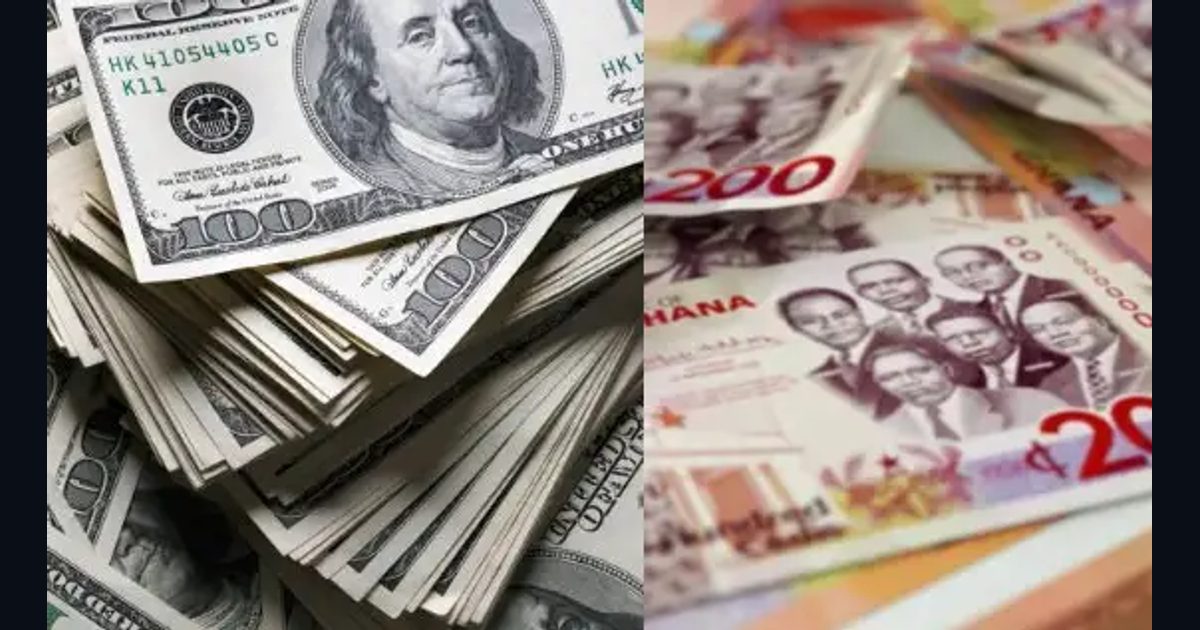
Ghana Cedi Weakens as Dollar Demand Exceeds Market Supply
The Ghana cedi has started losing value again as businesses struggle to secure enough foreign currency for their operations.
Market data gathered from major commercial banks shows that demand for US dollars has remained higher than the amount available in the market over the past two weeks. This has placed fresh pressure on the cedi and caused it to depreciate further.
Some businesses need dollars to pay for imports, international services and other foreign obligations. When the demand for dollars becomes greater than the available supply, the price of the dollar rises and the cedi weakens.
Over the past two weeks, businesses have been seeking more dollars to pay for imports, energy supplies and other international obligations. However, commercial banks have not been able to meet all the demand, placing fresh pressure on the local currency.
Some market players say the increase is being driven partly by companies in the energy sector, which need dollars to import crude oil and finished petroleum products and make payments to power producers.
Others believe the main issue is simply that the supply of dollars remains too low compared with demand from businesses.
There are also indications that some companies are buying dollars in advance to protect themselves against further depreciation. Concerns about tensions in the Middle East have raised fears that global oil prices could rise, which may increase Ghana’s demand for foreign exchange.
Demand Exceeds BoG Supply
The Bank of Ghana increased the amount offered at its weekly foreign exchange auction to $220 million last week.
Despite the increase, demand remained much higher than supply. About $201 million worth of bids were left unmet during Thursday’s spot auction.
The cedi depreciated by 0.60% during the week, taking its month to date depreciation to 1.86%. Since the beginning of 2026, the local currency has lost about 8.89% of its value against the US dollar.
The latest decline comes after the cedi recorded its first monthly appreciation of the year in June, gaining 3.30% against the dollar.
That improvement was largely supported by the Bank of Ghana, which supplied about $2.01 billion to the foreign exchange market during the month.
Out of this amount, $1.2 billion was sold through the central bank’s Forex Intermediation Programme, with auctions held twice every week.
However, commercial banks submitted bids totalling $3.42 billion, showing that demand for dollars remained significantly higher than the amount supplied.
Bank of Ghana Says Pressure Is Temporary
The Bank of Ghana has assured businesses and the public that the current pressure on the cedi is temporary and there is no need to panic.
The central bank says it remains in a strong position to support the market when necessary and ensure that important imports are not affected.
Ghana’s international reserves have crossed $14 billion, according to recent data from the Bank of Ghana.
The central bank is also expecting additional foreign exchange inflows from remittances, development partners and the International Monetary Fund.
About $380 million in programme support and another $240 million expected in July 2026 could help strengthen the country’s reserves and improve dollar supply.
The Bank of Ghana is also hopeful that Ghana’s recent Fitch credit rating upgrade and the government’s decision to make early Eurobond repayments will improve investor confidence and attract more foreign exchange into the country.
However, risks remain. A rise in global crude oil prices could increase Ghana’s import costs and create additional demand for dollars.
The central bank says it will continue to monitor the foreign exchange market and take the necessary steps to support the cedi and maintain stability.
See our editorial policy for how we source and correct our reporting.