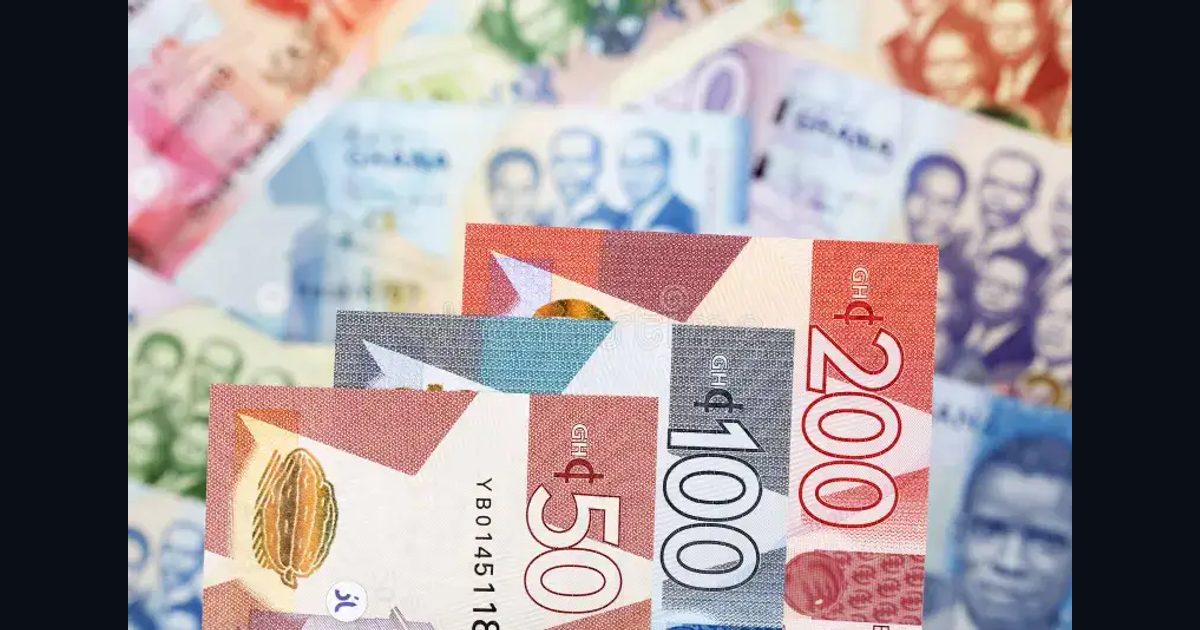
BoG Backs Cedi Stability Despite Rising Festive Season Dollar Demand
The Bank of Ghana (BoG) expects the cedi to remain relatively stable through the rest of 2026, even as demand for foreign exchange increases ahead of the Christmas season.
Businesses typically require more dollars during this period to finance imports for the December festivities. However, the central bank believes expected foreign exchange inflows and continued market support will help limit pressure on the local currency.
“Over the medium term, the Ghana cedi is expected to remain relatively stable,” the Bank stated in its latest monetary report.
It added: “FX intermediation is expected to moderate the pressures on the cedi, along with remittance flows.”
Additional dollar supply expected
The Bank of Ghana believes the cedi has recovered from the intense pressure recorded in May. It also expects foreign exchange supply to improve in the coming months.
About US$500 million is expected to be supplied to the market in September through the Bank’s foreign exchange intermediation programme.
The Ghana Gold Board is also expected to support market liquidity. GoldBod is targeting US$1.4 billion in foreign exchange receipts for September as part of efforts to stabilise the market and strengthen the country’s reserves.
Half of the projected amount, US$700 million, is expected to be supplied to commercial banks through spot sales and funded forward arrangements.
The remaining US$700 million will be transferred to the Bank of Ghana for reserve accumulation under the Ghana Accelerated National Reserve Accumulation Policy (GANRAP).
The central bank has assured market participants that it remains ready to intervene when necessary to maintain orderly market conditions while allowing flexibility in the exchange rate.
Cedi regains some lost ground
The positive outlook follows a difficult first half of 2026 for the local currency.
On the interbank market, the cedi depreciated by 7.9% against the US dollar, 6.5% against the pound and 5.3% against the euro on a year-to-date basis.
The performance was significantly different from the same period in 2025, when the cedi appreciated by 42.6% against the dollar, 30.3% against the pound and 25.6% against the euro.
According to the Bank of Ghana, increased demand for foreign exchange to finance energy-related imports contributed to the pressure recorded earlier in the year.
The cedi’s cumulative depreciation against the dollar reached 9.5% by 17 July 2026. It later recovered part of those losses, reducing the depreciation to 7.11% by the end of August.
The central bank also reported that the currency experienced less volatility during the first 140 trading days of 2026 than during the corresponding periods of the previous four years.
With more foreign exchange expected from GoldBod, central bank operations and remittance inflows, the BoG believes the cedi is well positioned to withstand increased demand during the final months of 2026.
See our editorial policy for how we source and correct our reporting.