Ghana’s Inflation Falls to 3.2%: A Historic Turning Point
Ghana’s year-on-year inflation rate dropped to 3.2% in March 2026, marking yet another decline from 3.3% recorded in February. This is not just a marginal improvement—it represents the 15th consecutive month of falling inflation, and the lowest level recorded since the rebasing of the Consumer Price Index (CPI) in 2021.
For an economy that battled over 50% inflation in 2022, this sharp decline is nothing short of remarkable. It signals a transition from crisis management to macroeconomic stability.
What Is Driving the Sharp Decline?
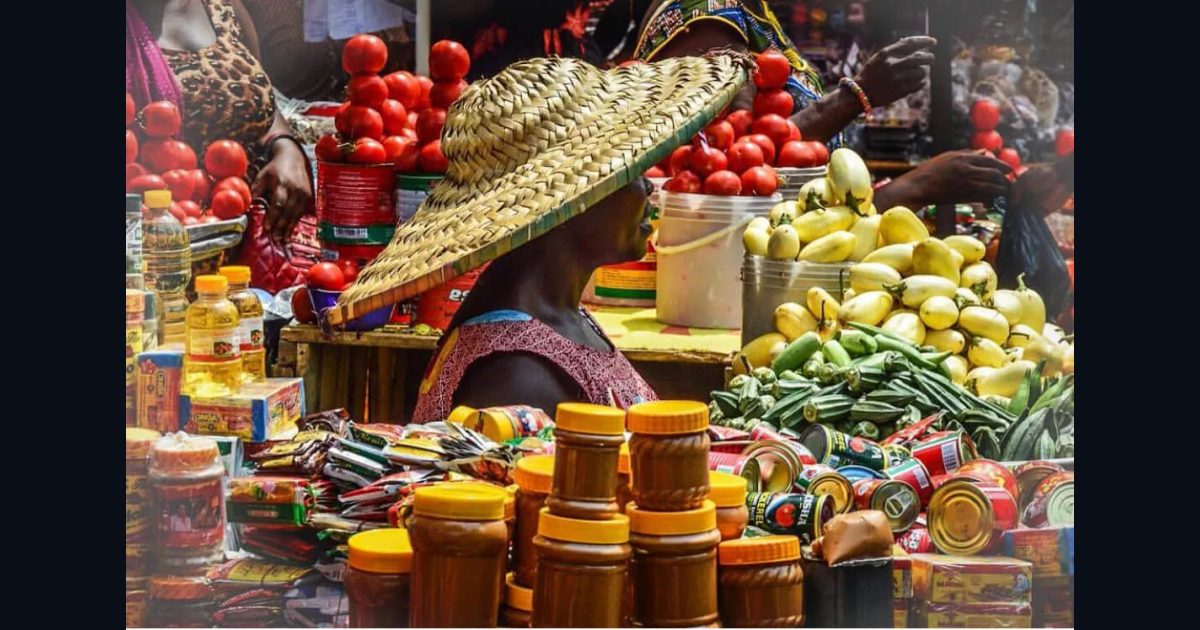
The primary force behind this sustained drop in inflation is falling food prices, which continue to ease pressure on household budgets. According to recent data, food inflation remains significantly lower compared to non-food items, helping pull the overall rate downward.
However, the story is not entirely uniform across all sectors:
Food inflation: ~2.3%
Non-food inflation: ~3.9%
This suggests that while basic necessities are becoming more affordable, other goods and services are still experiencing price increases.
Stability in Prices—But Not Everywhere
On a monthly basis, inflation stood at just 0.1% in March, indicating that prices are barely rising in the short term.
But beneath the national average lies a more complex picture:
- Some regions recorded negative inflation (deflation)
- Others saw inflation as high as 8.6%
This regional disparity highlights that the benefits of lower inflation are not evenly distributed across the country.
A Recovery From Economic Crisis
Ghana’s current inflation performance must be viewed in context. The country is emerging from one of its worst economic crises in decades, characterized by:
- Currency depreciation
- Debt restructuring
- IMF intervention
The consistent decline in inflation reflects tight monetary policy, fiscal discipline, and improved external conditions, all working together to stabilize the economy.
This trend also gives the Bank of Ghana more room to cut interest rates, potentially stimulating borrowing, investment, and economic growth.
Hidden Risks: Why Inflation Could Rise Again
Despite the positive outlook, risks remain—especially from global factors.
One major concern is rising fuel prices, which increased by about 3.1% in early March due to geopolitical tensions affecting global oil markets.
This matters because fuel costs influence:
- Transportation
- Food distribution
- Production costs
Any sustained increase in fuel prices could quickly reverse the gains in inflation.
What This Means for Ghanaians
For the average Ghanaian, lower inflation translates into:
- Improved purchasing power
- Slower rise in cost of living
- Greater economic confidence
However, it does not necessarily mean prices are falling—only that they are rising more slowly.
The Bigger Picture: A New Economic Phase?
Ghana’s inflation at 3.2% is now below the Bank of Ghana’s target band of 8% ± 2%, a significant milestone that few expected just a year ago.
If this trend continues, the country could be entering a new phase defined by:
- Low and stable inflation
- Lower interest rates
- Increased investment activity
But the key question remains: Can Ghana sustain this momentum in the face of global uncertainty?
This isn’t just about inflation dropping, it’s about confidence returning to the Ghanaian economy. The challenge ahead is ensuring that this progress is not only sustained, but also felt by every Ghanaian household.