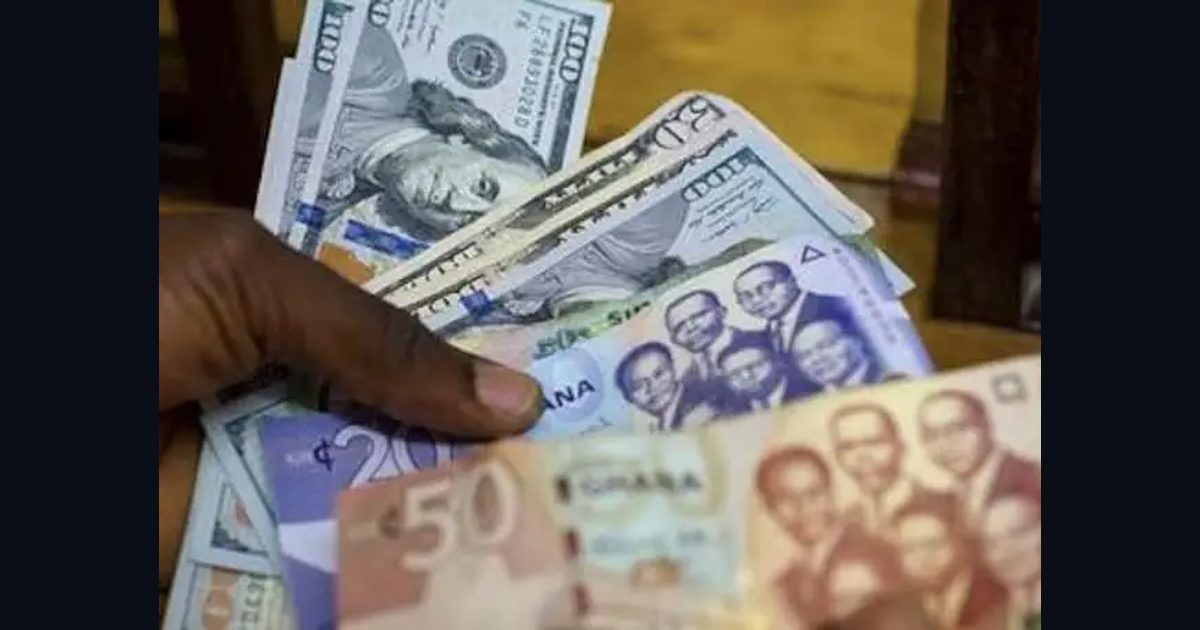
Ghana Cedi Depreciates 8.4% Against US Dollar in First Five Months of 2026
The Ghana cedi continued to face pressure against major foreign currencies in the first five months of 2026, depreciating by about 8.4% against the US dollar in the interbank market, according to the latest Summary of Economic and Financial Data released by the Bank of Ghana.
This represents a sharper decline compared to the 6.6% depreciation recorded during the same period in 2025.
The report showed that the cedi traded at GHS11.41 to one US dollar in May 2026, compared to GHS10.28 during the corresponding period last year.
The local currency started the year with a 4.6% depreciation against the US dollar in January 2026. Although the cedi showed some improvement in February, losing only 2.2% in value, the pressure resumed in the following months. The currency weakened further by 5.0% in March and 6.6% in April 2026.
Despite the challenges in the interbank market, the cedi has shown some resilience in the retail forex market. Since January 1, 2026, the local currency has gained about 1.67% against the US dollar.
Currently, the cedi is trading at around GHS12.10 to the dollar at forex bureaus across the country.
The Bank of Ghana’s data also indicated that the cedi depreciated by 7.5% against both the British pound and the euro in the interbank market in May 2026.
Analysts say the cedi’s weak performance has largely been driven by strong import demand and cautious foreign exchange supply conditions. Market sentiment has also been affected by concerns surrounding the recent financial position of the central bank.
Even so, many economists believe the cedi could stabilise and improve in the coming months if Ghana secures approval from the International Monetary Fund Board for the sixth review of the country’s Extended Credit Facility programme.
The expected approval is anticipated to boost investor confidence, support foreign exchange inflows and ease pressure on the local currency.