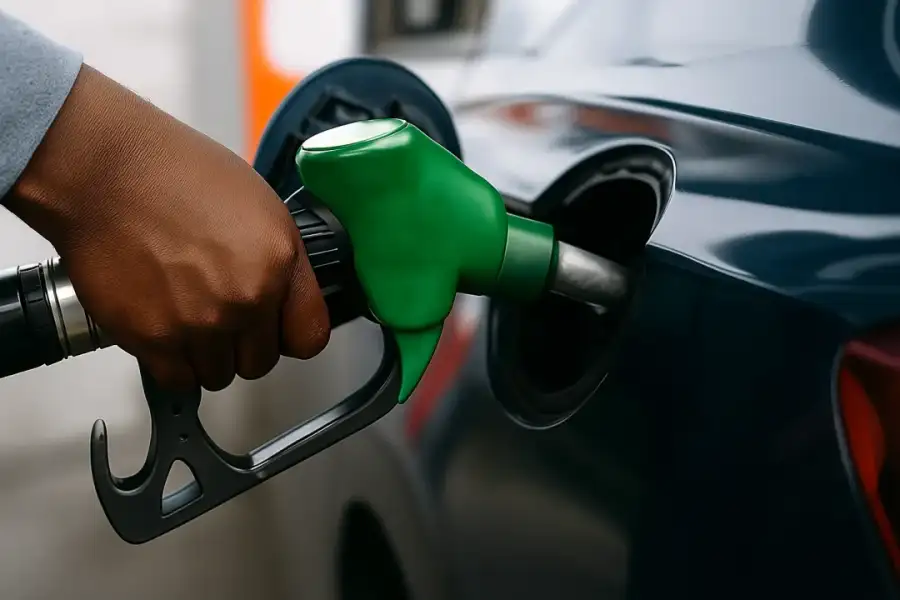
Fuel Prices Set to Drop Significantly from June 16
Motorists across Ghana are expected to enjoy some relief at the fuel pumps from June 16, 2026, as prices of petrol, diesel, and liquefied petroleum gas (LPG) are projected to decline during the second pricing window of the month.
According to the latest pricing outlook released by the Chamber of Oil Marketing Companies (COMAC) and obtained by Joy Business, petrol is expected to record the biggest reduction among the major petroleum products.
Petrol Prices Could Fall by Over 9%
COMAC projects that petrol prices could decrease by as much as 9.31%. If oil marketing companies fully pass on the reduction to consumers, a litre of petrol could sell for approximately GHS14.72. This would be one of the most significant fuel price reductions seen in recent months.
Diesel prices are also expected to fall, with a litre likely to sell around GHS17.02, especially among companies that purchase products on credit from Bulk Oil Distributors.
LPG users are also expected to benefit, although the reduction is likely to be smaller. A kilogram of LPG is projected to sell for about GHS17.20.
NPA Announces New Price Floors
The National Petroleum Authority (NPA) has announced new minimum price thresholds for the June 16–30 pricing period.
Under the new arrangement, the price floor for petrol has been reduced from GHS15.20 per litre to GHS13.39 per litre. Diesel’s price floor has also been lowered from GHS15.49 to GHS15.11 per litre.
The regulator has directed all industry players to comply with the new pricing structure, ensuring that no oil marketing company sells below the approved minimum prices.
Despite this, market analysts expect strong competition among oil marketing companies, particularly major players such as GOIL and Star Oil, which may offer prices close to the new price floors in an effort to attract customers.
Factors Driving the Price Reduction
The expected decline in fuel prices is largely being driven by falling crude oil prices and lower prices for refined petroleum products on the international market.
Crude oil prices reportedly dropped from around $110 per barrel to about $97 per barrel during the month, representing a decline of approximately 12%.
Industry experts attribute the decline to weaker oil demand from China, increased oil exports from the United States, and continued releases from strategic petroleum reserves by countries belonging to the International Energy Agency (IEA).
Prices of refined petroleum products have also fallen significantly. COMAC estimates that LPG prices declined by 19.94% on the international market, while petrol and diesel prices fell by 15.21% and 10.17% respectively.
Cedi Depreciation Limits Bigger Price Cuts
Industry players believe fuel prices could have fallen even further if not for the recent depreciation of the Ghana cedi.
According to COMAC, the cedi weakened from GHS11.59 to GHS11.80 against the US dollar during the pricing period, representing a loss of about 2.45%.
Since petroleum products are imported and paid for in foreign currency, a weaker cedi increases costs for importers and reduces the impact of falling international oil prices.
Outlook
There are growing expectations that fuel prices could continue to decline in the coming weeks. Reports of a possible agreement aimed at ending the conflict in the Middle East have raised hopes of further stability in global oil markets.
If international crude oil prices continue to ease and the exchange rate remains relatively stable, consumers could see additional reductions at the pumps in future pricing windows.