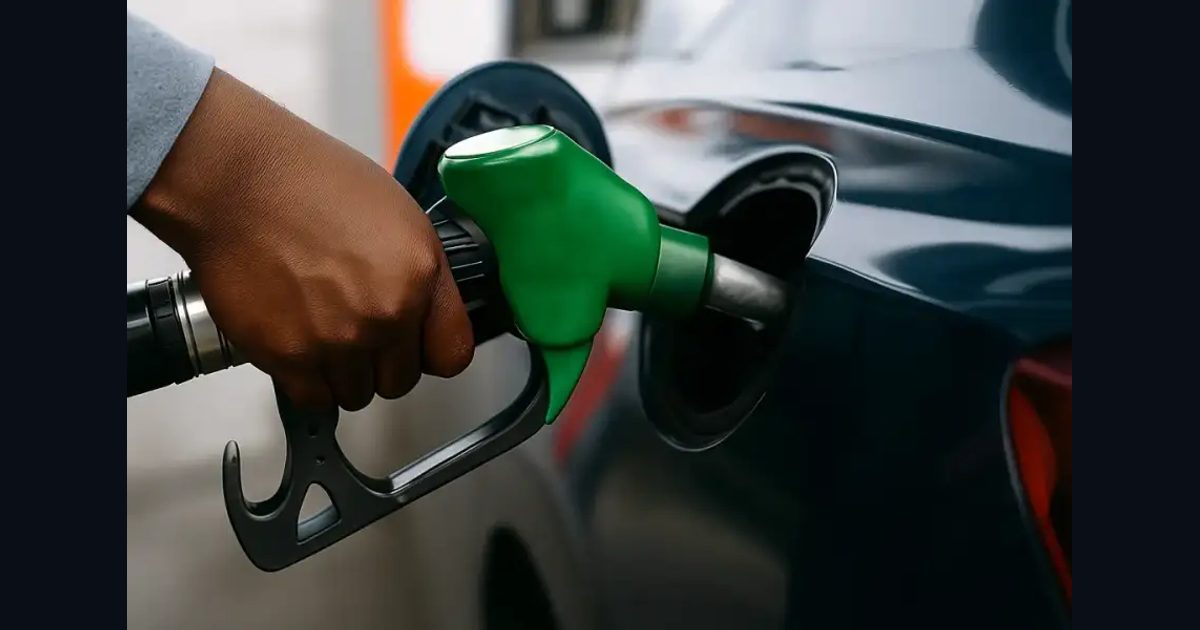
Fuel Prices Rise as OMCs Begin June Pricing Adjustments
Some Oil Marketing Companies (OMCs) have begun increasing fuel prices at the pumps following the start of a new pricing window on June 1, 2026.
The adjustment forms part of Ghana’s petroleum price deregulation system, which allows OMCs to review and change fuel prices every two weeks based on market conditions.
Star Oil was among the first companies to announce new prices, increasing the price of petrol from GHS14.60 per litre to GHS15.20 per litre. The company, however, maintained its diesel price at GHS15.81 per litre.
The latest petrol price aligns with the minimum price floor announced by the National Petroleum Authority (NPA) for the June 1 to June 16 pricing window. The NPA stated that no OMC should sell a litre of petrol below GHS15.20 during the period.
For diesel, the NPA set a price floor of GHS15.49 per litre, slightly lower than the previous pricing window. This suggests that some OMCs may reduce diesel prices, depending on their pricing strategies.
It remains unclear how other major industry players, including Goil, Shell, TotalEnergies and Zen Petroleum, will respond to the latest pricing adjustments.
Industry Projections
The Chamber of Oil Marketing Companies (COMAC) has projected that petrol prices could increase by between 4.2% and 6.2%, potentially pushing pump prices to about GHS15.92 per litre.
Liquefied Petroleum Gas (LPG) is also expected to become more expensive, with prices projected to rise by as much as 2.24%, bringing the cost to approximately GHS17.30 per kilogramme.
Diesel, however, is expected to record a slight reduction of between 1.65% and 2.0%, with prices projected to settle around GHS17.20 per litre for some operators.
COMAC noted that these projections are based on oil marketing companies that purchase petroleum products on credit from Bulk Oil Distribution Companies.
Factors Driving the Price Changes
According to COMAC, the mixed outlook for fuel prices reflects a combination of lower global fuel prices, ongoing government-industry interventions, and recent pressure on the Ghana cedi.
The chamber explained that a joint government-industry intervention, which was extended on May 16, 2026, has helped moderate the impact of rising fuel costs on consumers.
Under the revised arrangement, the intervention on petrol has been removed entirely, while the support provided on diesel has been reduced to GHS1.07 per litre.
COMAC said the measure continues to cushion consumers from the full impact of international market prices while allowing local fuel prices to gradually adjust to prevailing global conditions.
With the new pricing window now in effect, consumers are expected to closely monitor how fuel stations across the country adjust their pump prices in the coming days.