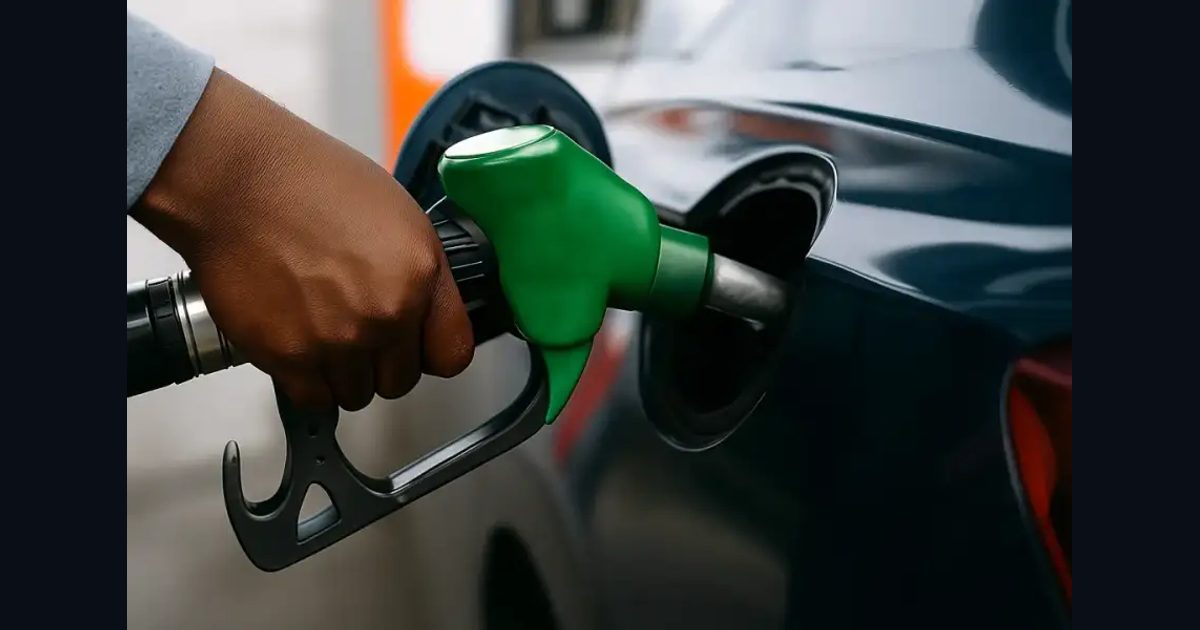
Fuel Prices Fall as GOIL Leads Pump Price Cuts Across Ghana
Some Oil Marketing Companies (OMCs) have started reducing fuel prices at the pumps, bringing welcome relief to motorists and businesses across Ghana.
Leading the latest round of price cuts is GOIL, which has reduced the price of petrol from GHS13.87 to GHS12.79 per litre. Diesel has also dropped from GHS15.95 to GHS15.35 per litre.
Another major OMC, Star Oil, has told JoyBusiness that it will also reduce its fuel prices soon. The company said it is likely to sell petrol at the new minimum price set by the National Petroleum Authority (NPA).
Several other OMCs are also expected to announce price reductions in the coming days. Ghana currently has more than 200 licensed Oil Marketing Companies.
The latest reductions follow a review by the National Petroleum Authority, which lowered the minimum price for petrol from GHS13.39 to GHS12.79 per litre for the first pricing window of July 2026.
The regulator also reduced the minimum price for diesel from GHS15.11 to GHS13.54 per litre, representing a 10.4% decline.
Liquefied Petroleum Gas (LPG) recorded the biggest reduction. The minimum selling price fell from GHS13.23 to GHS10.11 per kilogram, a drop of GHS3.12 or 23.6%.
Industry analysts had already projected that fuel prices would decline during the first pricing window of July.
According to the Chamber of Oil Marketing Companies (COMAC), petrol prices were expected to fall by between 1.94% and 9.31%, while diesel prices were projected to decline by as much as 10.2%. LPG was also forecast to record a significant reduction of between 24.5% and 26.86%.
COMAC described the latest fuel price adjustments as the steepest two-week decline since the global oil market experienced sharp price falls during the COVID-19 pandemic in 2020.
The Chamber explained that the reductions were mainly driven by falling crude oil prices on the international market and the continued appreciation of the Ghana cedi against major foreign currencies.
According to COMAC, global crude oil prices dropped by nearly 20%, while refined petroleum product prices also declined significantly. LPG recorded the largest fall, followed by diesel and petrol.
International crude oil prices fell from US$97.32 per barrel to US$78.16 per barrel in late June. The decline followed a temporary easing of tensions in the Middle East after the United States and Iran agreed to pause hostilities, reopen the Strait of Hormuz and extend a ceasefire to allow further negotiations.
Although fresh military strikes and renewed accusations between the two countries have created some uncertainty, the earlier decline in crude oil prices has already influenced fuel pricing.
The stronger performance of the Ghana cedi also helped reduce the cost of importing fuel.
For the July 1, 2026 pricing window, the cedi appreciated from GHS11.8035 to GHS11.4333 against the US dollar, representing a 3.24% gain.
With both global oil prices and the exchange rate working in Ghana's favour, consumers are expected to enjoy lower fuel prices, helping to reduce transportation costs and ease pressure on household and business expenses.