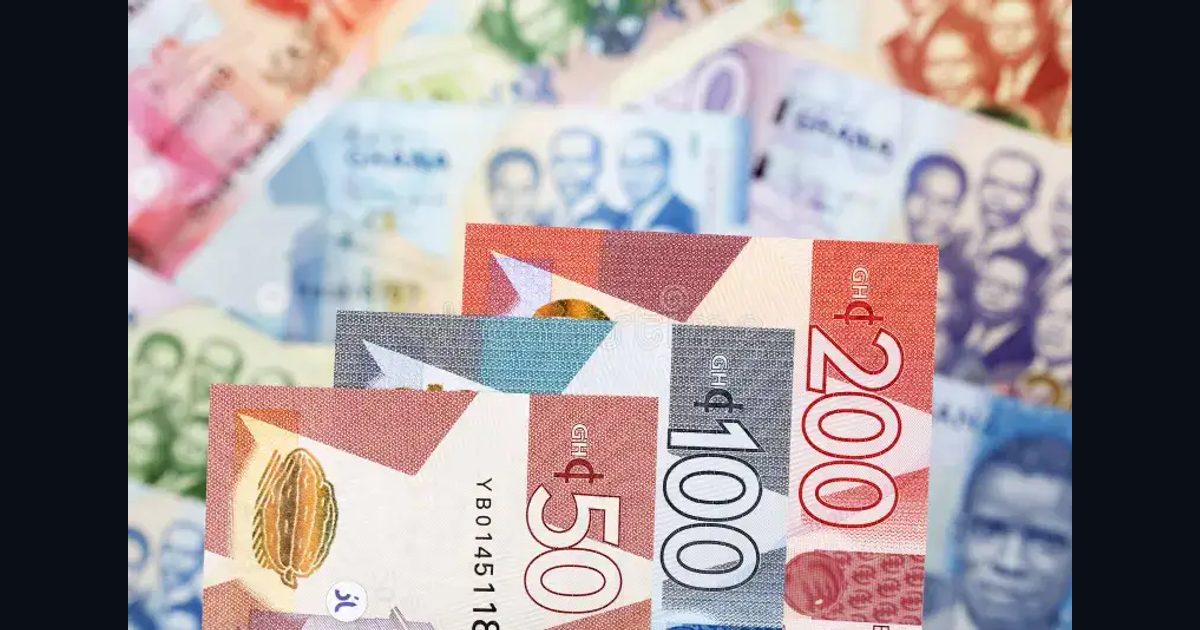
BoG improves efficiency as currency circulation climbs to GHS83.8bn
The Bank of Ghana has reported a significant reduction in the cost of producing and managing physical currency, even as the amount of cash circulating in the economy continues to grow.
According to its 2025 financial statements, the central bank’s total currency issuance cost dropped sharply to GHS471 million, down from over GHS1 billion recorded in 2024. This marks a major decline in spending associated with printing banknotes and minting coins.
A closer look at the figures shows that the cost of printing new notes and minting coins alone fell from GHS986 million in 2024 to GHS277 million in 2025. This reduction played a key role in lowering overall currency-related expenses.
However, not all components of currency management saw declines. Other related expenses increased notably, rising to GHS183 million from GHS14.6 million the previous year. At the same time, agency fees also edged up to GHS10.6 million.
Spending on the importation of foreign currency also recorded a slight increase, moving from GHS14.4 million in 2024 to GHS16.5 million in 2025.
Despite the reduction in issuance costs, the volume of cash in the economy continued to rise. Total currency in circulation grew from GHS71.6 billion in 2024 to GHS83.8 billion in 2025. This reflects a steady increase in the amount of money held by the public and financial institutions.
The central bank explains that currency in circulation represents the value of banknotes and coins held outside the Bank itself, including those used by individuals and businesses across the country.
Overall, the figures suggest that while more cash is being used in the economy, the Bank of Ghana has become more efficient in managing the cost of producing and supplying that currency.